For many Australians, careful financial planning is no longer optional — it has become essential. With living expenses still elevated and employment markets continuing to evolve, a proposed 2026 government support initiative could offer payments of up to $3,000 to eligible individuals. The payment is designed to provide targeted financial relief while encouraging participation in approved employment, training, or transition programs. Although full guidelines are yet to be finalised, early briefings indicate the scheme will focus on boosting workforce participation, strengthening skills development, and supporting long-term economic stability. For qualifying Australians, the assistance could arrive at a critical time, helping reduce the financial pressure linked to retraining or re-entering the workforce. Below is a detailed overview of what is currently known and what to expect as 2026 approaches.
Purpose of the Proposed $3,000 Scheme
The upcoming payment will not be a universal cash benefit. Instead, it is expected to operate as a targeted incentive tied directly to active participation in approved work, study, or transition activities aligned with national workforce priorities.
The primary goal is to remove financial barriers that often prevent individuals from pursuing employment or training opportunities. These barriers may include upfront course fees, transport expenses, essential equipment purchases, certification costs, or relocation expenses for job placement.
 Goodbye to Cost-of-Living Bonuses: Australians Risk Losing $1,000 Plus Support From 28 February 2026
Government officials have indicated that flexibility will be central to the design. Rather than adopting a uniform structure, the scheme may adapt to different participant circumstances to ensure support reaches those who genuinely need assistance.

Expected Eligibility Criteria for 2026
While final rules are still under development, eligibility is anticipated to apply to Australians who meet specific conditions. Likely qualifying groups may include individuals who:
• Receive selected income support payments
• Enrol in approved education, skills training, or certification programs
• Accept employment in priority industries experiencing skill shortages
• Meet residency and participation requirements
• Have not previously accessed similar incentive payments
Eligibility will likely depend on both personal financial circumstances and the type of approved activity undertaken. Each application may be assessed individually to confirm compliance with program conditions.
How the $3,000 Payment May Be Structured
The support payment is not expected to be issued automatically. Applicants will likely need to complete a formal application and verification process. In many cases, payments may be linked to milestones rather than delivered in a single automatic transfer.
Possible payment formats could include:
• A lump sum payment after commencing an approved program
• Instalments distributed across participation milestones
• A final payment upon completion of training or sustained employment
• Conditional payments subject to reporting requirements
• Verification checks before each stage is released
The final structure will be confirmed closer to the official launch date in 2026.
Why the Government Is Introducing the Scheme Now
The initiative is being developed in response to ongoing national skills shortages and workforce participation challenges. At the same time, cost-of-living pressures continue to affect Australians who may wish to retrain or transition into new employment sectors but face financial barriers.
By announcing the scheme well in advance, policymakers aim to give individuals time to evaluate their options and prepare for participation. Early notice also allows training providers, employment services, and administrative systems to align with the program’s structure before rollout.
Public Reaction and Community Response
Initial responses from the community suggest cautious optimism. Many Australians view the incentive as a helpful bridge during periods of reduced income while studying or transitioning careers.
For example, workers considering retraining have expressed that financial assistance could reduce the risk associated with returning to education. In regional and rural areas, where travel and accommodation costs can be higher, the potential support is seen as particularly beneficial.
Government Position and Oversight
Officials have emphasised that the payment is designed to encourage active participation rather than provide passive financial support. The objective is to reward meaningful engagement in employment or skills development activities that strengthen long-term workforce capacity.
Authorities have also indicated that the scheme will be reviewed regularly to ensure accountability, effectiveness, and responsible use of public funds.
Financial Considerations for Participants
While up to $3,000 can ease short-term financial strain, it is not intended to replace wages or serve as long-term income support. Participants should carefully assess how the incentive fits into their broader financial planning, particularly if income changes during study or employment transitions.
Key considerations include:
• Monitoring income fluctuations
• Keeping accurate documentation
• Meeting reporting deadlines
• Understanding potential tax implications
• Reviewing eligibility if circumstances change
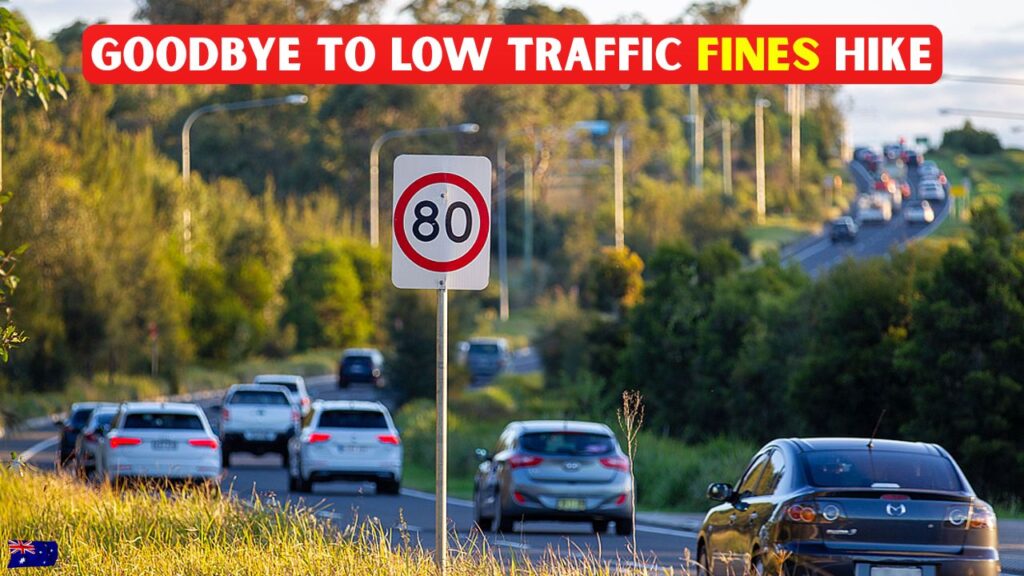
 Goodbye to Low Traffic Fines: Speeding Penalties Climb as High as $1,900 From 28 February 2026
Maintaining compliance will be essential to avoid payment delays or disqualification.
Steps Australians Can Take Before 2026
Even though the scheme is scheduled for 2026, early preparation may help streamline future applications. Australians may consider the following steps:
• Stay informed through official government announcements
• Explore potential training or employment pathways
• Keep Centrelink and personal details updated
• Review eligibility criteria once published
• Avoid making financial commitments based solely on preliminary information
Frequently Asked Questions
• Is the $3,000 payment guaranteed?
No. Approval depends on eligibility and verified participation.
• Is the scheme open to everyone?
No. It is designed as a targeted program, not a universal benefit.
• When will applications open?
Closer to 2026, once regulations are finalised.
• Will the payment be taxable?
Generally it may not be taxable, but personal circumstances can vary.
• Can it be received alongside other payments?
In many cases yes, subject to program rules.
• Will students qualify?
Some participants in approved programs may be eligible.
• Is the scheme permanent?
It will likely be reviewed and adjusted as needed.
• Will payments be staged?
That is expected but not yet officially confirmed.
• Do residency requirements apply?
Yes, residency conditions will apply.
• Can both members of a couple qualify?
Eligibility assessments are expected to be individual.
• What happens if circumstances change?
Eligibility may be reassessed.
• Will funding caps apply?
Budget limits are likely.
• Can applications be rejected?
Yes, if program requirements are not met.
• Should Australians plan around it now?
Only cautiously until full details are confirmed.

• Where will official updates be released?
Through government websites and authorised communication channels.