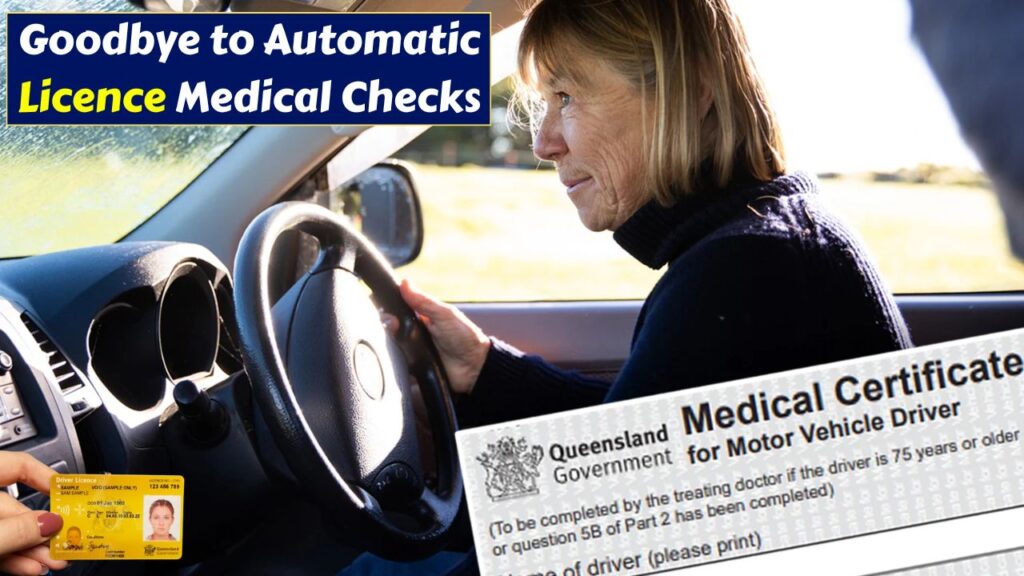
Australia is preparing for a significant policy shift that will directly affect older drivers across the country. Under the new changes, free licence renewals for seniors will officially end from 4 March 2026, introducing fees ranging between $300 and $600. For many retirees living on fixed incomes, this announcement has sparked concern and debate. The government says the reform aims to standardize state-based systems, but seniors argue it adds financial strain. Here’s what Australian drivers need to know about the updated renewal costs and how they may be impacted.
Australia Ends Free Senior Licence Renewals in 2026
For years, many older Australians benefited from no-cost renewals once they reached a certain age. However, the upcoming reform replaces that support with mandatory renewal fees starting 4 March 2026. Depending on the state and licence duration, seniors could now pay between $300 and $600. Officials describe the move as part of a transport funding update designed to maintain road services and administrative systems. Critics, though, argue it places pressure on retirees already managing fixed retirement income. The change will apply nationwide, though exact fee structures may vary slightly between states and territories.
How the New $300–$600 Licence Fees Affect Australian Seniors
The introduction of these charges means older drivers must carefully budget for their next licence renewal period. For many, driving is essential for medical appointments, grocery shopping, and maintaining social connections. Losing access due to high costs could impact independent daily travel. Community groups warn that the reform may increase financial stress concerns, particularly in rural Australia where public transport options are limited. While some states may offer partial concessions, there is no longer a blanket waiver for seniors. The government maintains the fees will support road safety programs and administrative improvements.

What Seniors Should Do Before 4 March 2026 Deadline
With the policy taking effect soon, seniors are advised to review their current licence expiry date and consider renewing early if eligible. Some states may allow multi-year renewals before the new structure begins. It’s also wise to check for state concession options that could reduce overall costs. Financial advisers recommend planning ahead to avoid sudden unexpected renewal charges. Staying informed through official transport department updates can prevent confusion and ensure compliance with the national driving regulations set to roll out in 2026.

Summary of Australia’s Senior Licence Fee Reform
The end of complimentary renewals marks a notable shift in Australia’s approach to senior driver policies. While authorities frame the move as a necessary modernization step, many retirees view it as an added burden during a time of rising living expenses. The key takeaway is preparation. Understanding your renewal timeline, exploring concessions, and budgeting early can ease the transition. Ultimately, the reform underscores the balance between public service funding and community affordability, raising broader questions about how Australia supports its ageing population.
| Category | Details |
|---|---|
| Policy Start Date | 4 March 2026 |
| New Fee Range | $300 – $600 |
| Who Is Affected | Seniors renewing driver licences |
| Applies In | All Australian states and territories |
| Possible Support | State-based concessions may apply |
Frequently Asked Questions (FAQs)
1. When do the new senior licence fees start in Australia?
The new fees take effect nationwide from 4 March 2026.
2. How much will seniors pay for licence renewals?

Fees will range between $300 and $600 depending on state and duration.
3. Can seniors still get any discounts?
Some states may offer limited concessions, but free renewals will end.
4. Should seniors renew before the deadline?
 Goodbye to Cost-of-Living Bonuses: Australians Risk Losing $1,000 Plus Support From 28 February 2026
Yes, eligible drivers may consider renewing early to avoid higher charges.